Spaced repetition quietly revolutionized the way millions of people learn languages. Apps like Duolingo and Anki built entire empires on its back. The science is solid: review information at carefully timed intervals, and your brain shifts it from short-term noise into long-term signal. It works. But here is the problem nobody talks about. The moment you try to apply that same system to serious non-fiction books — the kind that genuinely change how you think — the whole approach starts to collapse. You cannot reduce the central argument of "Thinking, Fast and Slow" to a flashcard. You cannot quiz yourself into understanding why Yuval Noah Harari's framework in "Sapiens" matters. The terrain of a great book is too rich, too interconnected, and too layered for a two-sided card to hold. What you need is a map. And what you need alongside that map is a smarter review schedule.
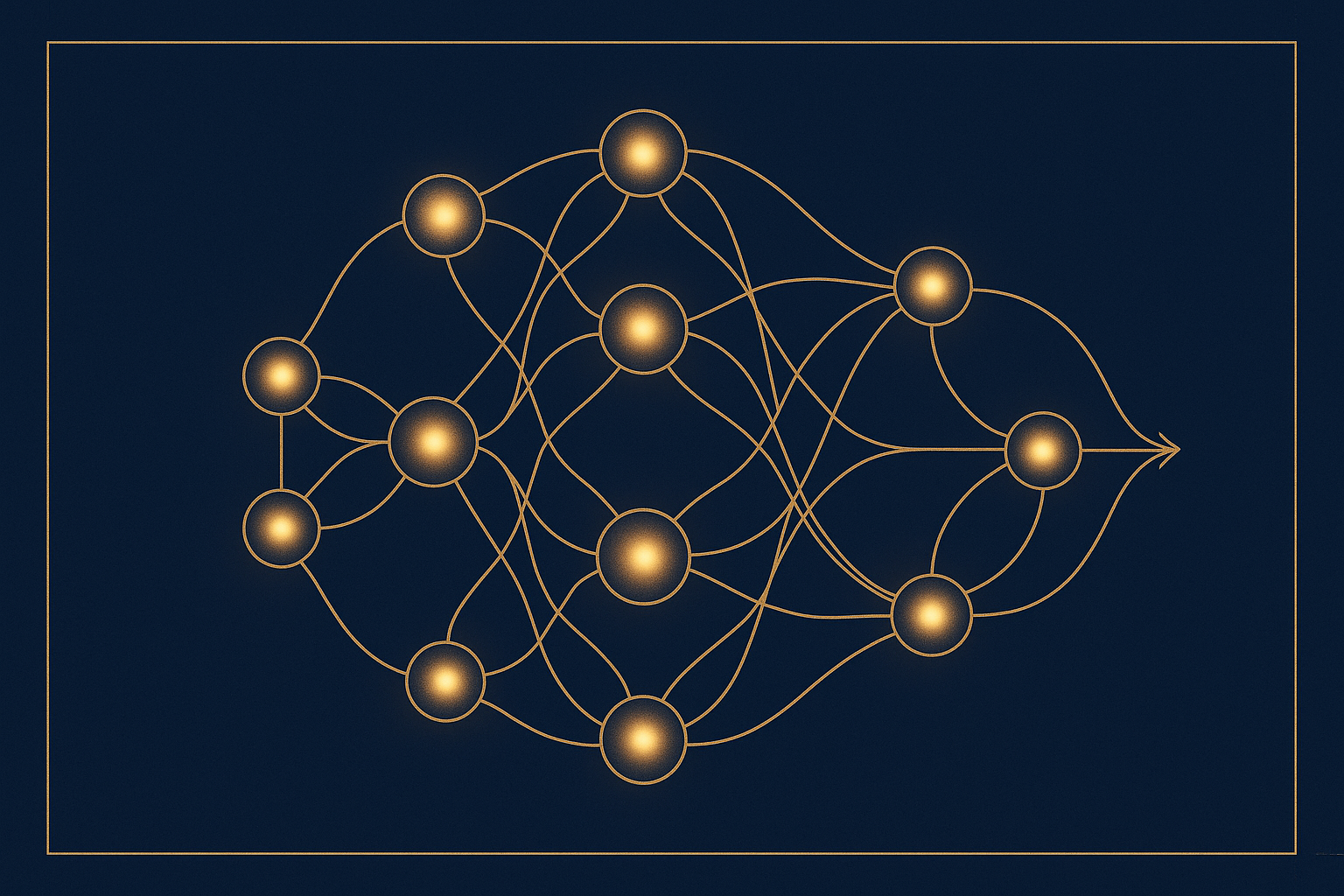
This is the approach we have built our entire philosophy around at Summary Maps. Not flashcards. Not passive re-reading. A structured, spaced system that treats books the way they deserve to be treated — as networks of ideas, not inventories of facts.
The Flashcard Trap and Why Smart Readers Fall Into It
Spaced repetition software like Anki and SuperMemo is genuinely brilliant for certain categories of knowledge. Capital cities. Medical terminology. Historical dates. Foreign vocabulary. These are discrete, self-contained units of information. You can isolate them, test them, and confirm whether you know them. The feedback loop is clean and fast.
Books are a completely different animal. A chapter from "Atomic Habits" is not a fact — it is an argument built from sub-arguments, supported by research, illustrated with stories, and connected to ideas three chapters earlier. When you try to compress that into a flashcard prompt, you end up with something like: "What is the habit loop?" And your answer is technically correct, but it captures nothing. You have memorized a label without understanding the terrain beneath it.
The deeper problem is that flashcards train retrieval of isolated points. But understanding — real, usable understanding — lives in the relationships between points. When you truly grasp a book, you can explain why one idea leads to another, how the author's framework handles edge cases, and where two books from completely different fields are secretly mapping the same territory. That kind of understanding cannot be quizzed into existence. It has to be built, reviewed, and connected over time.
The Map as Your Review Unit
The solution is to shift the unit of review. Instead of reviewing individual facts, you review the entire structure of an argument. This is where mind maps earn their place in a serious reader's toolkit.
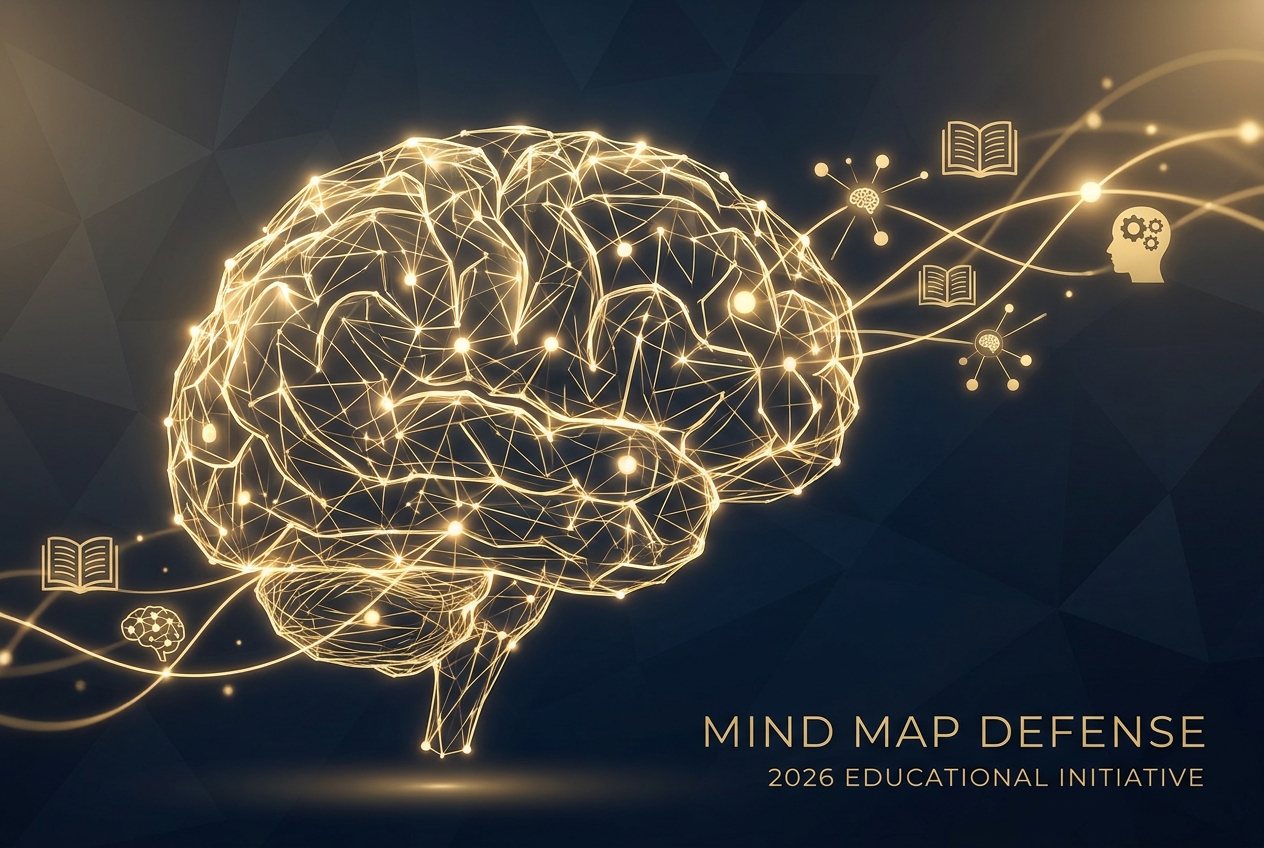
When you finish a chapter, spend five to ten minutes creating a map of what you just read. Not a summary. Not notes. A map. Place the chapter's central argument at the center, branch out to the sub-arguments, supporting evidence, and any connections to previous chapters or other books you've read. This process forces you to distill the essence of the material and see the big picture.
Mind mapping is not merely a tool for retention; it is a tool for exploration and discovery. It transforms reading from a passive to an active endeavor, turning books into landscapes to traverse, not just pages to turn.
Consider the book "The Power of Now" by Eckhart Tolle. Its central premise revolves around living in the present moment. A mind map here would begin with this central idea and branch out into subtopics like the role of the ego, the concept of mindfulness, and practical exercises to enhance presence. This mapping process not only aids in retention but also in personal application of the book's teachings.
Practical Applications: How to Implement Spaced Repetition for Books
To implement this approach in your reading routine, start with these steps:
- Choose the Right Books: Select books that challenge your thinking and are dense with ideas, such as "Grit" by Angela Duckworth or "The Black Swan" by Nassim Nicholas Taleb. Literary works that provoke thought and offer complex frameworks are ideal candidates.
- Create Initial Maps: As you read, create initial mind maps for each chapter or major section. Focus on capturing key arguments and how they relate to each other. For instance, in "Grit," map out how passion and perseverance interrelate and how they contribute to the overarching idea of grit.
- Schedule Review Sessions: Set up a spaced repetition schedule for reviewing these maps. Initially, review them the day after you create them, then a week later, a month later, and so on. Utilize digital tools like Google Calendar or specialized apps like RemNote that remind you of these review intervals.
- Update and Expand Maps: As you read more, update your mind maps with new insights and connections from other books or experiences. If you read "Mindset" by Carol Dweck after "Grit," you might see how the growth mindset complements the idea of perseverance and integrate this into your existing map.
- Engage with the Material: Use your maps as a springboard for discussions, writing essays, or teaching others, which further reinforces your understanding. Start a book club or an online forum discussion where you can share and debate these maps with others.
This structured approach not only helps in retaining information but also in integrating new knowledge into your existing mental frameworks. It transforms reading into an active, engaging process, where every book becomes a living document of ideas that grow over time.
Our Editorial Opinion: Why This Matters
At Summary Maps, we believe that true learning happens when you move beyond memorization and engage with the material on a deeper level. The mind map approach aligns perfectly with our philosophy of treating books as rich networks of ideas. We see books as conversations with the author and with other readers, past and present. By mapping these conversations, you create a mental tapestry that grows with each reading.
We have found that this method not only enhances retention but also enriches our understanding and enjoyment of the material. It allows us to draw connections across disciplines and time, finding coherence in complexity. This is not just about reading smarter; it's about thinking smarter.
There is a certain joy in revisiting a mind map months after reading a book and discovering how your understanding and perspective have evolved. Perhaps a new book you read offers a contrasting viewpoint, prompting you to revisit and revise your map. This dynamic process is akin to having a dialogue with the authors across time and space, enriching your intellectual landscape.
Conclusion: Your Next Steps
As you embark on this journey of spaced repetition for books, remember that the goal is not just to remember more but to understand more deeply. Start with a book that's been sitting on your shelf, waiting for its secrets to be unlocked. Create your first mind map and schedule your review sessions.
Join us at Summary Maps in treating reading as a craft, where the tools of mind mapping and spaced repetition are your chisel and hammer. By doing so, you'll not only retain what you read but transform it into a living library of ideas that shape your thinking and your world.
To take immediate action, consider these additional tips:
- Leverage Digital Tools: Tools like MindMeister or XMind can enhance your mind mapping experience with their intuitive interfaces and cloud storage options, allowing you to access your maps anywhere.
- Collaborate with Others: Share your maps with friends or colleagues interested in the same topics. Collaborative mapping can bring new insights and foster a community of learning.
- Reflect and Adapt: Regularly reflect on your mapping and review process. Adapt your strategies as needed, ensuring they fit your goals and the way you like to work.
- Publish Your Insights: Start a blog or a social media channel where you share your mind maps and insights from books. This not only helps in refining your thoughts but also contributes to a broader conversation with fellow learners.
Through this method, you will find that books are not mere sources of information but springboards for intellectual exploration and personal growth. Welcome to a world where reading is an adventure, and every book is a new map to navigate.
Books in this article
- Thinking, Fast and Slow by Daniel Kahneman: Buy on Bookshop.org
- Sapiens by Yuval Noah Harari: Buy on Bookshop.org
- Atomic Habits by James Clear: Buy on Bookshop.org
- The Power of Now by Eckhart Tolle: Buy on Bookshop.org
- Grit by Angela Duckworth: Buy on Bookshop.org
- The Black Swan by Nassim Nicholas Taleb: Buy on Bookshop.org
- Mindset by Carol Dweck: Buy on Bookshop.org
Bookshop.org supports independent bookstores. Summary Maps may earn a commission from book links on this page (as an Amazon Associate we earn from qualifying purchases), at no extra cost to you.
Want to go deeper?
Turn this book into an interactive visual mind map on Summary Maps. Explore every chapter, key idea, and connection — all in one view.
Try Summary Maps Free →