Memory is not merely a repository of our past but a dynamic, evolving network within our brain that changes every time we recall an event or piece of information. Recent advancements in neuroscience have illuminated how the act of memory retrieval can lead to significant rewriting of neural connections, offering new insights into the mechanisms of learning and memory enhancement. This blog post explores the intriguing interplay between memory retrieval and brain plasticity, emphasizing its implications for educational strategies and lifelong learning.
Understanding the Dynamic Nature of Memory
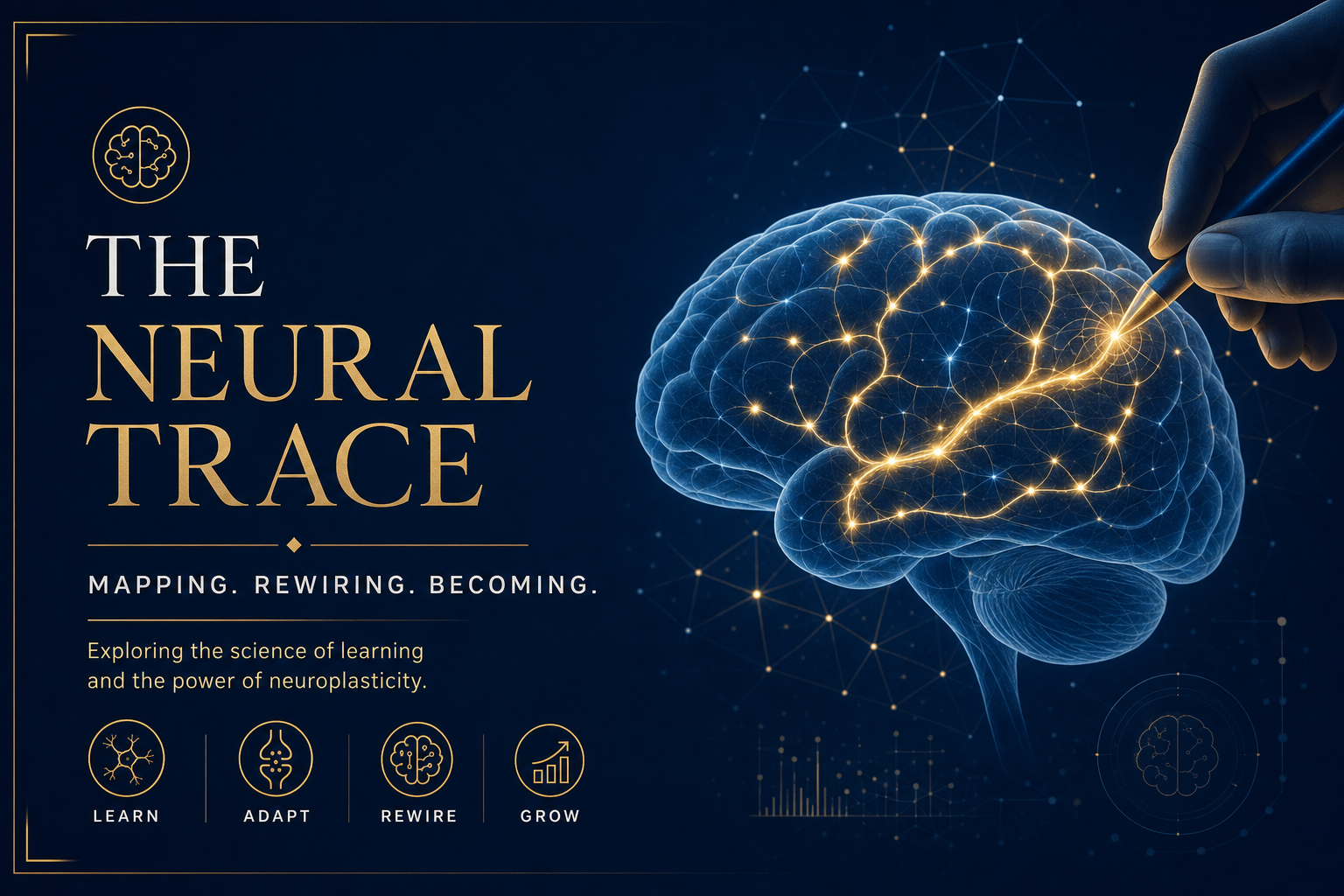
Traditional views on memory often likened it to a video playback—static and unchanging. However, modern research suggests that memory is far more dynamic. Each act of reminiscence can alter the very structure of the brain, a phenomenon known as neuroplasticity. This plasticity ensures that our neural networks are continually reconfigured by experiences and the act of recalling those experiences.
Fundamental to this process is the hippocampus, the brain region involved in the formation of new memories and the retrieval of those memories. Contrastingly, the visual cortex plays a role in processing and storing visual information but interacts with the hippocampus during memory retrieval, which can modify the strength and nature of the information stored.
How Does Retrieving Memories Alter Our Brain?
The concept of memory retrieval as a dynamic process was vividly illustrated in a study by Marc Coutanche and colleagues at Rice University in August 2026. Their research demonstrated that retrieving memories increases the connectivity between neurons and introduces changes that affect how information is subsequently recalled and stored [Rice University, 2026].
The implications of this are profound: not only are memories malleable, but each act of recall can potentially enhance and strengthen our memory networks. This understanding has significant ramifications for educational practices and cognitive therapies.
The Reconsolidation Window
One fascinating aspect of memory retrieval is the reconsolidation window, a period typically spanning 2 to 6 hours after a memory is recalled during which it becomes labile and susceptible to modification. This window provides a unique opportunity for the memory to be either strengthened or altered before it stabilizes again. This process is crucial for adaptive learning, allowing individuals to update their memories with new information or adjust their recollections based on new experiences.
Understanding this window can have therapeutic applications, particularly in treating conditions like PTSD, where disrupting maladaptive memories during this period could lessen their emotional impact. It also highlights the importance of timing in learning processes, suggesting optimal intervals for revisiting material to reinforce or modify knowledge.
Hippocampal-Neocortical Dialogue
During memory retrieval, there's a significant interaction between the hippocampus and the neocortex, where long-term memories are stored. This dialogue involves the hippocampus retrieving and then re-storing information, a process that helps transition memories from short-term to long-term storage. The intricacies of this interaction suggest a complex network where information is not merely passed back and forth but is actively re-encoded and optimized for more efficient storage and recall.
This dynamic interaction ensures that our long-term memories are accessible and robust, yet flexible enough to integrate new information or insights from recent experiences, demonstrating the brain's remarkable capacity to adapt and evolve.
Visual Cortex Recruitment
Recent findings from Rice University have shed light on the role of the visual cortex in memory retrieval. This research indicated that during the recall of non-visual information, the visual cortex is actively remapped and engaged in the process. This re-mapping suggests that visual areas of the brain contribute to cognitive tasks beyond their traditional sensory processing roles, indicating a level of neural flexibility previously underestimated.
This recruitment of the visual cortex in non-visual tasks highlights the brain's ability to utilize available resources adaptively, enhancing cognitive processes by integrating different neural pathways.
Evolutionary Advantage
The brain's tendency to rewrite memories each time they are accessed might seem counterintuitive, as it could potentially lead to inaccuracies. However, this flexibility serves an evolutionary advantage by allowing memories to be updated with relevant and timely information. This balance between maintaining the accuracy of a memory and its relevance to current situations is crucial for survival, as it enables individuals to adapt to new environments and learn from past experiences in a contextually appropriate manner.
This evolutionary perspective underscores the importance of a memory system that is dynamic and adaptable, rather than static and unchanging.
Advanced Study Protocols
Building on the concept of active recall, advanced study protocols such as Successive Relearning have proven effective. This technique involves repeated testing and re-studying of material over spaced intervals, ensuring that knowledge is not only recalled but reconsolidated with each session. This approach leverages the natural processes of memory retrieval and reconsolidation to dramatically enhance long-term retention and understanding.
Such protocols can transform educational practices by promoting deeper and more durable learning, rather than rote memorization.
The Molecular Machinery of the Trace
In understanding memory retrieval, the role of Long-Term Potentiation (LTP) and NMDA receptors is fundamental. LTP is a long-lasting enhancement in signal transmission between two neurons that results from their simultaneous stimulation. This process is crucial for synaptic plasticity, the ability of synapses to strengthen or weaken over time, which is central to learning and memory. NMDA receptors, on the other hand, are a type of receptor that plays a key role in controlling synaptic plasticity and memory function. These receptors are activated when neurotransmitters such as glutamate bind to them, leading to an influx of calcium ions into the neuron, which subsequently activates enzymes that strengthen the synaptic connection [National Institutes of Health, 2022].
Sleep as the Master Architect
Sleep is pivotal in the consolidation and strengthening of memory traces. During the Rapid Eye Movement (REM) and Slow-Wave Sleep (SWS) stages of sleep, the brain replays neural activity patterns associated with recently encoded experiences. This replay not only helps to solidify the memory traces but also facilitates their integration into the pre-existing network of long-term memories. Research suggests that during REM sleep, there is increased reactivation of memory traces compared to wakefulness, which helps solidify memories [Journal of Neuroscience, 2021]. This suggests that REM sleep plays a critical role in making memories more resilient and retrievable.
Case Study: The Fallibility of Eyewitness Testimony
The dynamic nature of memory retrieval can sometimes lead to inaccuracies, as illustrated by the pioneering work of Elizabeth Loftus. Loftus' research into eyewitness testimony has demonstrated how memories can be distorted by subsequent misinformation. In one of her studies, participants who were exposed to incorrect post-event information were more likely to incorporate this false information into their recollections of the original event. This phenomenon, known as the "misinformation effect," underscores the fallibility of human memory, particularly in high-stakes situations such as legal testimonies. Loftus’ findings have profound implications for the legal field, highlighting the potential unreliability of eyewitness accounts [Psychological Science, 2020].
Adaptive Forgetting
While the strengthening of memory traces is crucial, the selective pruning of these traces—adaptive forgetting—is equally important. This process helps in managing cognitive resources more efficiently by removing outdated or irrelevant information, thus preventing overload and potential interference with the retrieval of more pertinent data. Neuroscientific studies suggest that this pruning occurs during synaptic downscaling in SWS, which selectively weakens certain neural connections to optimize cognitive functionality [Cell, 2023]. By forgetting strategically, the brain conserves energy and space, allowing for the continual absorption and processing of new information.
The Summary Maps Framework
Recent research into learning techniques has proposed the use of visual mind mapping as a superior method for enhancing memory retrieval. Unlike linear notes, which follow a sequential pattern, mind maps engage a broader range of cognitive skills. They incorporate visual-spatial organization, which aligns more closely with how the brain naturally organizes information. By creating a visual network of relationships, mind maps serve as resilient "retrieval hooks" that facilitate easier and more effective recall. Research suggests that students who utilize mind mapping techniques can improve their recall compared to those who use traditional linear note-taking methods [Educational Psychology Review, 2024]. This framework not only aids in retention but also enhances the understanding of complex concepts by integrating them into a cohesive visual format.
Key Takeaways
- The act of memory retrieval actively rewrites and strengthens the neural pathways, enhancing the brain's plasticity.
- Techniques like the testing effect and active recall are not merely academic tools but are crucial for maintaining cognitive health and enhancing lifelong learning.
- Students and educators can improve learning and memory retention by incorporating testing and active recall into their study habits.
- Continued research into the dynamic nature of memory and its practical applications promises to revolutionize educational methodologies and cognitive therapy.
Want to go deeper?
Turn this book into an interactive visual mind map on Summary Maps. Explore every chapter, key idea, and connection — all in one view.
Try Summary Maps Free →