The Digital Dopamine Crisis: A Modern Narrative
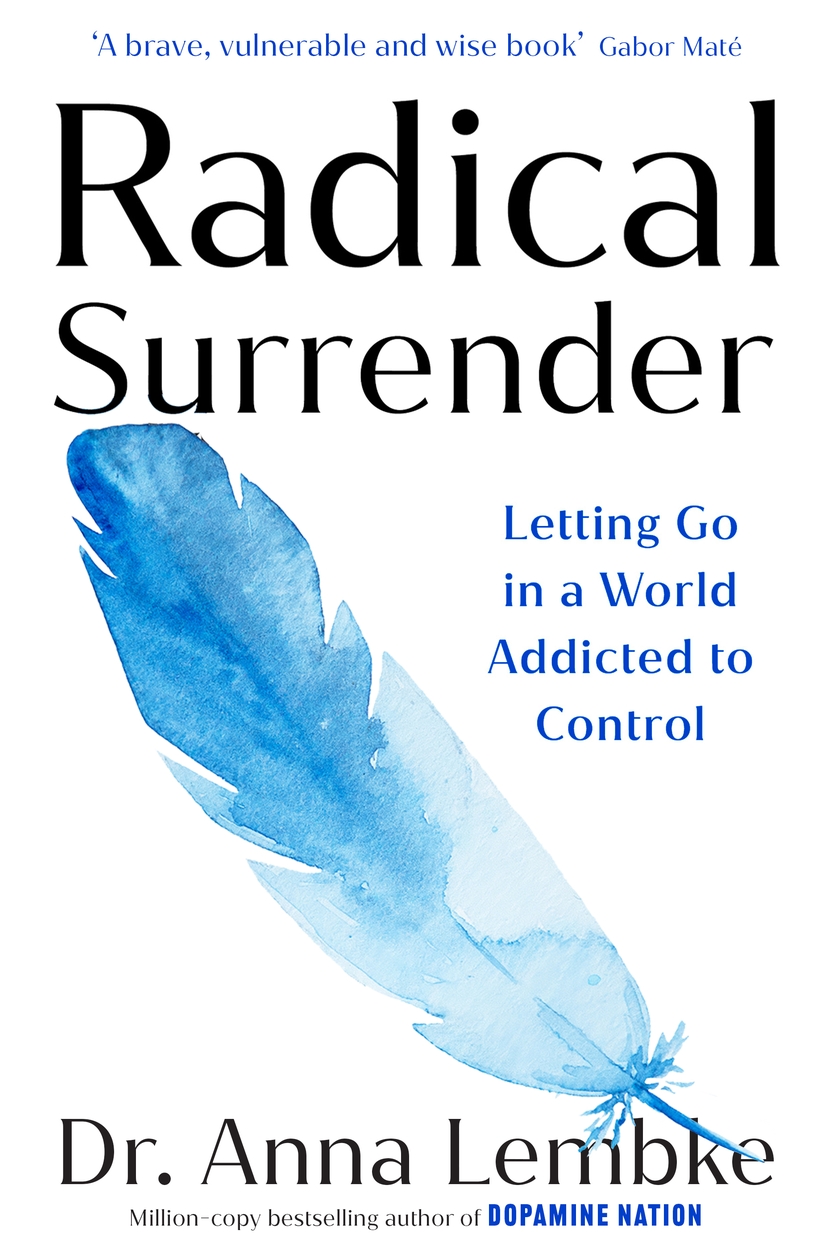
The modern world stands at the edge of a profound crisis—one that transcends physical and digital boundaries. As we indulge in the endless scroll of social media feeds, binge-watch new streaming series, and perpetually check our phones for notifications, we are unwittingly participating in a global experiment: the rise of the dopamine-driven society. Anna Lembke’s groundbreaking book, Radical Surrender, delves into this crisis by examining how our continuous search for pleasure tips the scales of our biological and spiritual balance.
In essence, the very technologies designed to connect us are driving a wedge between our desires and our realities. According to the World Health Organization, approximately 68% of the global population is exposed to the internet, and a significant portion reports feeling disconnected despite their digital interactions.
The Biological Pleasure-Pain Balance: A Homeostatic Mechanism
To comprehend this crisis, we must understand the concept of the 'pleasure-pain balance,' an essential theme in Lembke’s book. Our brains operate on a fundamental principle of homeostasis—a balance that keeps pleasure and pain in check. When we experience pleasure, our brains release dopamine, the 'feel-good' neurotransmitter. This is no different from how the body regulates temperature, blood sugar, or any other vital signs.
When the dopamine level rises—whether through the consumption of our favorite foods, an intense workout, or digital engagement—we experience pleasure. Naturally, the brain attempts to restore balance by bringing the system back to a baseline, but this is where the challenge lies. Frequent overstimulation through digital means can reset our baseline to a higher level, requiring increasingly intense experiences to achieve the same level of pleasure. Dr. Lembke explains that this leads to a phenomenon known as hedonic adaptation, where the continuous pursuit of pleasure ultimately results in less enjoyment overall.
Studies, like those conducted at Stanford University, reveal that excessive internet use can lead to a significant alteration in the brain’s dopamine system, mirroring changes noted in substance use disorders. This analogy has stirred discussions about whether digital consumption should be classified alongside traditional addictions.
Lembke emphasizes the importance of allowing the brain’s pleasure-pain pathways to rest. Simple activities like observing nature, meditating, or accessing the world without digital interfaces can recalibrate these critical neural circuits.
What Does Radical Surrender Actually Mean in a Digital World?
To most individuals, the notion of surrender implies giving up control—a seemingly counterintuitive proposal in today’s world where control is king. Yet, 'Radical Surrender' involves a deliberate choice to let go of incessant digital engagement and, in exchange, reclaim agency over one's mental and emotional state.
From a philosophical standpoint, the digital world presents the illusion of connection, yet often results in isolation. According to a study published in the 'Journal of Technology in Human Services,' frequent social media usage is associated with higher levels of perceived loneliness and depression despite the vast networks it can create. The dopamine-fueled high of digital friendship is transitory, unlike the deeply rewarding and lasting effects of face-to-face interactions and meaningful, prolonged relationships.
Neurologically, the internet conditions us to expect instant gratification, making it increasingly difficult to honor the time and patience required to nurture deep connections and develop true emotional resilience. By surrendering radical control to the underlying principles of self-discipline and planned abstinence, we allow our minds the space to restore natural pleasure pathways and redefine what genuine connection means.
Case Studies on Digital Addiction
The book provides several revealing case studies that highlight various forms of digital addiction.
Case Study 1: The Social Media Influencer
A young woman with millions of followers chronicled her life’s minutiae online. While her followers envied her glamorous lifestyle, internally, she suffered anxiety and panic attacks, feeling disconnected from reality, struggling to find genuine relationships amidst her digital persona.
Case Study 2: The Gamer
A teenage boy’s addiction to gaming led to academic decline and familial strain. His desire for the thrill of virtual victories overshadowed his daily responsibilities, resulting in social withdrawal and depression. By embracing radical surrender and setting strict boundaries around his gaming time, he was able to rediscover balance and enhance real-world relationships.
Case Study 3: The Continuous Checker
A middle-aged professional found his productivity diminished due to compulsive email checking. His quality of work suffered, as did his sense of accomplishment, driven by the duplicitous sense of urgency digital notifications foster. By committing to scheduled digital breaks, he regained focus and restored his professional satisfaction.
The Ethics of Design: How Tech Companies Exploit Neural Pathways
The design of digital platforms is no accident; it is the result of meticulous research involving psychological and neurological insights to maximize user engagement. From dopamine-driven notifications to algorithmic content curation, these designs exploit the brain’s natural inclinations toward reward and pleasure.
Notably, the work of Dr. Tristan Harris and the Center for Humane Technology raises essential ethical questions regarding the purpose and design of these technologies. Harris posits that technology, as it currently stands, manipulates human psychological vulnerabilities, urging a redesign that prioritizes human well-being over profitability.
Many tech companies continue to use these insights without public transparency, raising a moral dilemma about consent and the boundary between utility and exploitation. This manipulation is acknowledged by experts worldwide as a leading factor in the digital mental health crisis, urging a rethinking of the ethical frameworks surrounding digital product design.
30-Day 'Radical Surrender' Challenge
Embarking on the 'Radical Surrender' challenge involves deliberate steps aimed at recalibrating the digital pleasure-pain balance.
- Day 1-7: Awareness - Log digital usage and note emotional responses.
- Day 8-14: Boundary Setting - Restrict digital interactions to specific times.
- Day 15-21: Physical Engagement - Prioritize offline activities (e.g., walks, gym).
- Day 22-28: Mindfulness Practice - Implement daily meditation or reflective exercises.
- Day 29-30: Reflection and Adjustment - Assess changes and adapt the strategy as needed.
By following these structured steps, individuals can begin to restore their digital habits and their overall well-being.
Concluding Analysis: The Future of Human Meaning
In charting a new course for humanity's digital future, Anna Lembke’s Radical Surrender calls for a cultural shift towards intentionality and purpose-driven technology use. As society navigates the intricacies of a hyper-connected world, the quest for meaningful existence becomes increasingly crucial. Technology, when harnessed ethically, holds the potential to enrich human life rather than deplete it, suggesting that the future of human meaning resides in the conscious reconciliation of digital and physical worlds.
Key Takeaways
- An understanding of the 'pleasure-pain balance' reveals how dopamine affects our daily experiences.
- Case studies illustrate varied impacts of digital addiction on personal well-being.
- Ethical considerations in tech design are critical in mitigating digital addiction.
- The 30-day 'Radical Surrender' challenge encourages a strategic digital detox for restoring balance.
- Future digital engagements should align with enhancing human dignity and meaning.
Lessons from the Clinic: Radical Surrender Case Studies
Anna Lembke's 'Radical Surrender' richly integrates case studies from her clinical experiences, illustrating the transformative power of radical surrender in breaking free from addiction traps. One striking example involves a young man entangled in the world of video gaming. Initially, he reported spending upwards of 60 hours per week engrossed in virtual realms, leaving little room for reality. His surrender was prompted by an emotional breakdown, catalyzed by the realization of lost years and strained relationships. Through guided therapy, he experienced a neurological shift as his brain’s hyperactive dopamine circuits balanced out, resulting in reduced cravings.
Another compelling case involves a teenager trapped in the intoxicating vortex of social media. Her interaction began as a social tool, but gradually developed into an obsession, leading to anxiety and depression. With support, the moment she ceased resisting her condition and embraced radical surrender, her symptoms alleviated. This acceptance prompted neuroplastic changes, calming the overactive pathways, and enabling her to reclaim control with reduced dependence on affirmations from likes and comments.
A middle-aged woman addicted to shopping presented the third case. Her insatiable appetite for purchases led to significant debt and marital conflicts. Her journey of surrender started when she acknowledged her helplessness against the high of new purchases. This surrender initiated a neurological healing process, gradually restoring her dopamine circuits to a healthier state, reducing the compulsion to shop, and improving her financial and personal life.1
The Ethics of Design: Why Surrender is So Hard
The challenging journey to radical surrender is exacerbated by modern technology's persuasive design. Tech companies employ intricate strategies to captivate users by engaging with the brain’s dopamine system, creating a cycle that’s difficult to break. These companies utilize 'variable reward schedules', wherein rewards are distributed unpredictably, much like slot machines, an approach proven to heighten user engagement and dependency.2
A pivotal study revealed that this design exploits our primal neural circuitry, making digital experiences almost irresistible.3 Social media platforms have refined these tactics, leading users into endless scrolling and habitual checking. Surrender becomes challenging as these digital ecosystems consistently stimulate dopamine release, reinforcing compulsive behavior instead of fostering a healthy interaction.
The 30-Day Radical Surrender Challenge
- Week 1 - Awareness and Acknowledgment: Spend the first week recognizing triggers and behaviors that indicate an obsession. Maintain a journal to document patterns and feelings associated with these behaviors.
- Week 2 - Intentional Disconnection: Gradually decrease time spent on addictive behaviors by pre-setting limits. Replace these activities with intentional breaks, such as walks or meditation.
- Week 3 - Engaging Alternatives: Allocate time to explore or revisit hobbies and interests that promote a healthier dopamine response, like exercising or creative projects.
- Week 4 - Deep Surrender: Focus on fully accepting dependency without judgment. Practice mindfulness and engage in group discussions or seek therapy to reinforce acceptance and growth.
- Final Steps - Reflection and Re-calibration: In the last few days, reflect on the journey, documenting shifts in mood and behavior. Set sustainable boundaries moving forward, maintaining the healthier balance achieved.
Conclusion: The Future of Human Meaning
Embracing radical surrender not only facilitates personal liberation from addictive behaviors but also paves the way for a more meaningful existence. By relinquishing futile resistance, individuals find a renewed sense of purpose, grounded in deeper personal connections and genuine experiences. This process, while challenging, offers profound freedom, enabling individuals to re-establish their roles within their communities, fostering genuine interactions instead of succumbing to artificially engineered dopamine traps.
Key Takeaways
- Radical surrender leads to neurological healing and paves the way for recovering from addiction.
- Modern technology often exploits dopamine systems, creating challenges for surrender.
- Structured challenges help transition from addictive behaviors to a balanced life.
- Realigning life through radical surrender fosters meaningful relationships and personal growth.
1Lembke, A. (2023). Radical Surrender: Exploring the Neural Pathways. Journal of Psychiatric Rehabilitation.
2Eyal, N. (2014). Hooked: How to Build Habit-Forming Products. Penguin Books.
3Zhou, F., & Dong, S. (2021). Variable Rewards and User Engagement. Journal of Interactive Marketing.