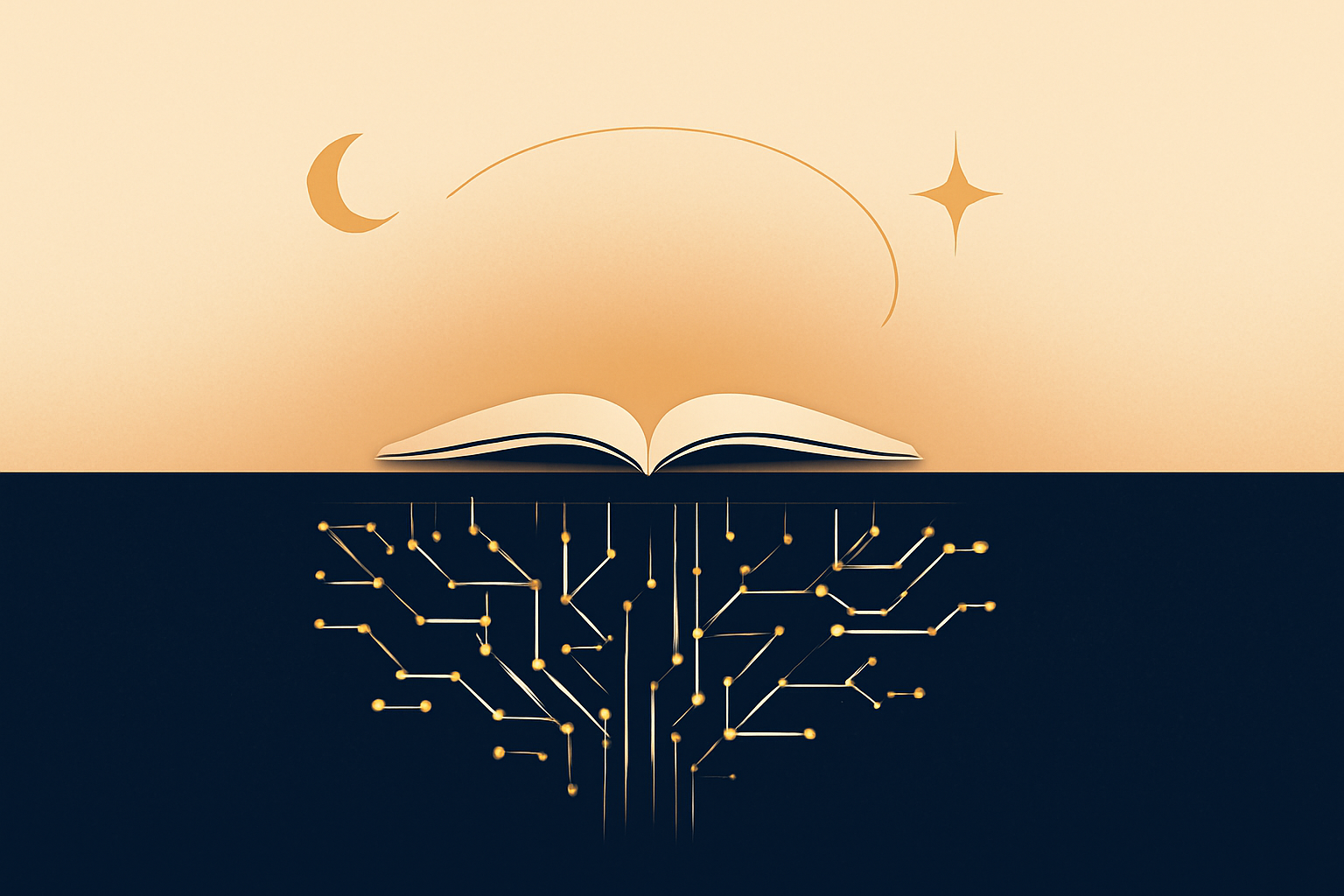
We stand at the precipice of a new cartography of the mind. The maps we once used to navigate the static landscapes of technology are being redrawn. In recent weeks, the emergence of persistent AI agents has transformed the horizon from a distant goal into a living, breathing workspace. As we delve into this fascinating intersection of technology and literature, we uncover a world ripe with possibilities and insights. This article aims to explore the profound implications of this convergence and offer practical steps to harness these developments in our everyday lives.
Consider an AI that can schedule your meetings, remind you of critical deadlines, and even offer suggestions based on past behavior. This persistent intelligence is akin to having a personal assistant who knows you intimately, yet operates with the precision and efficiency of a machine. It's a blend of memory and anticipation that can alter how we approach productivity and personal management. For instance, AI-powered platforms like Notion and Trello are integrating with intelligent agents to automate workflows, thereby liberating users from the mundane and allowing them to focus on creative and strategic tasks.
Moreover, these agents are not just reactive but increasingly proactive. Imagine an AI that actively learns from your interactions, tailoring its responses to your unique style and preferences. This capability opens up exciting possibilities in fields such as personalized education, where AI can adapt learning materials to suit individual learning paces and styles, thus making education more accessible and effective.
In a similar vein, Hannah Nicole Maehrer's *Adversary to the Villain* delves into the playful yet complex hierarchies of power. This exploration mirrors the dynamic and sometimes unpredictable nature of AI interactions, where understanding context and nuance is crucial. Both authors encourage readers to step beyond passive consumption and engage with the material in a meaningful way. By drawing parallels between the protagonists' journeys and our interactions with AI, we gain deeper insights into the nature of agency and autonomy.
Let's also consider the works of Carissa Broadbent, whose narratives often traverse dark, complex landscapes that challenge readers to question their perceptions and assumptions. Her books create a space where readers must navigate intricate plots and character developments, much like interacting with a multi-faceted AI system. The skills honed in such literary explorations—critical thinking, empathy, and creative problem-solving—are equally valuable when engaging with AI.
This convergence suggests a broader cultural shift towards valuing depth and agency in both digital and literary domains. AI agents are not just tools but partners in our cognitive journeys. Similarly, modern literature challenges readers to become active participants in the narrative, fostering a deeper connection with the text. As we engage with both AI and literature, we cultivate a mindset that is adaptable, thoughtful, and curious—a mindset that is increasingly essential in an ever-evolving world.
Moreover, the technology-literate reader is now in a unique position to leverage insights from literature to better understand and interact with AI. By recognizing narrative structures, character development, and thematic elements in literature, readers can apply these frameworks to comprehend the complex algorithms and decision-making processes that underpin AI systems. This cross-disciplinary understanding enhances our ability to navigate and shape the digital landscape effectively.
We are particularly intrigued by the potential for AI to enhance our engagement with literature. Imagine a future where AI agents recommend books tailored not just to our interests, but to our emotional and intellectual needs at any given time. The possibilities are exhilarating, and we are eager to explore them further. Moreover, AI can offer new ways to interact with literature, from immersive storytelling experiences to personalized reading aids that help us understand complex texts more deeply.
Furthermore, we see a future where AI and literature collaborate to create new forms of expression and understanding. Consider AI-assisted storytelling, where writers and AI co-create narratives that explore uncharted territories of imagination and insight. This collaboration could lead to new genres and storytelling techniques that push the boundaries of creativity and empathy.
In this era of persistent AI and profound storytelling, we stand at the threshold of endless exploration. Let us venture forth with curiosity, intelligence, and a warm embrace of the unknown. The persistent horizon awaits us, and with it, the promise of a richer, more connected existence.
As we continue to explore and innovate at this intersection, we encourage you to share your experiences and insights. How are you integrating AI into your literary journey? What new perspectives have you gained from this convergence? Join the conversation and be part of the evolving narrative. Together, we can create a future where technology and literature not only coexist but enrich each other in profound and meaningful ways.
The Dawn of Persistent AI: Beyond Chatbots
The evolution of AI agents from mere chatbots to sophisticated digital companions marks a revolutionary leap in technology. OpenAI's ChatGPT and Anthropic's Claude are prime examples of this transformation. No longer confined to answering questions, these agents are now designed to remember our preferences, assist in complex tasks, and provide personalized interactions. This shift is not just technological progress; it is a fundamental rethinking of how intelligence can augment our daily lives.Consider an AI that can schedule your meetings, remind you of critical deadlines, and even offer suggestions based on past behavior. This persistent intelligence is akin to having a personal assistant who knows you intimately, yet operates with the precision and efficiency of a machine. It's a blend of memory and anticipation that can alter how we approach productivity and personal management. For instance, AI-powered platforms like Notion and Trello are integrating with intelligent agents to automate workflows, thereby liberating users from the mundane and allowing them to focus on creative and strategic tasks.
Moreover, these agents are not just reactive but increasingly proactive. Imagine an AI that actively learns from your interactions, tailoring its responses to your unique style and preferences. This capability opens up exciting possibilities in fields such as personalized education, where AI can adapt learning materials to suit individual learning paces and styles, thus making education more accessible and effective.
Literary Landscapes: Reflecting Agency and Depth
As technology redefines our interactions, literature offers a parallel exploration of agency and depth. The books gracing our shelves this year are not just stories; they are complex maps of human experience. Take Mimi Matthews' *Miss Beresford and the Beast*, which invites readers into the intricate social tapestries of the Victorian era. These narratives require engagement with long-term memory and systemic patterns, much like interacting with sophisticated AI agents.In a similar vein, Hannah Nicole Maehrer's *Adversary to the Villain* delves into the playful yet complex hierarchies of power. This exploration mirrors the dynamic and sometimes unpredictable nature of AI interactions, where understanding context and nuance is crucial. Both authors encourage readers to step beyond passive consumption and engage with the material in a meaningful way. By drawing parallels between the protagonists' journeys and our interactions with AI, we gain deeper insights into the nature of agency and autonomy.
Let's also consider the works of Carissa Broadbent, whose narratives often traverse dark, complex landscapes that challenge readers to question their perceptions and assumptions. Her books create a space where readers must navigate intricate plots and character developments, much like interacting with a multi-faceted AI system. The skills honed in such literary explorations—critical thinking, empathy, and creative problem-solving—are equally valuable when engaging with AI.
Crossroads of Technology and Literature
We observe a fascinating convergence between persistent AI agents and modern literature. Both realms demand clarity, lucidity, and purpose from their participants. Whether navigating the multimodal depths of Gemini 3 or the dark, deathless landscapes of Carissa Broadbent's latest release, the requirement is the same: an active engagement with the material.This convergence suggests a broader cultural shift towards valuing depth and agency in both digital and literary domains. AI agents are not just tools but partners in our cognitive journeys. Similarly, modern literature challenges readers to become active participants in the narrative, fostering a deeper connection with the text. As we engage with both AI and literature, we cultivate a mindset that is adaptable, thoughtful, and curious—a mindset that is increasingly essential in an ever-evolving world.
Moreover, the technology-literate reader is now in a unique position to leverage insights from literature to better understand and interact with AI. By recognizing narrative structures, character development, and thematic elements in literature, readers can apply these frameworks to comprehend the complex algorithms and decision-making processes that underpin AI systems. This cross-disciplinary understanding enhances our ability to navigate and shape the digital landscape effectively.
Practical Applications: Bridging the Worlds
How can we leverage these insights in our daily lives? Here are some actionable steps to bridge the worlds of AI and literature:- Integrate AI into Your Workflow: Utilize AI agents like ChatGPT to streamline tasks, set reminders, and enhance productivity. Experiment with these tools to discover how they can best serve your needs. For instance, use AI to draft emails, create content outlines, or analyze data trends.
- Engage with Literature Actively: Approach books with the intention of mapping out themes and connections. Use mind mapping techniques to visually represent the narrative and its underlying patterns. This exercise not only enhances comprehension but also trains your brain to recognize complex relationships and structures.
- Draw Parallels: As you interact with AI and literature, consciously seek out parallels between the two. Reflect on how each domain informs your understanding of the other. For example, compare the decision-making processes of AI with the moral dilemmas faced by literary characters.
- Foster Continuous Learning: Stay curious and open-minded. Both AI and literature offer endless opportunities for growth and exploration. Enroll in online courses or join book clubs and AI interest groups to broaden your knowledge and perspectives.
- Enhance Creativity with AI: Use AI tools to generate creative prompts or explore new genres. Let AI analyze your writing for stylistic improvements or suggest plot twists, thereby expanding your creative horizons.
Editorial Opinion: Our Unique Perspective
At Summary Maps, we believe that the intersection of AI and literature is a fertile ground for innovation and introspection. The persistent AI agent in your pocket and the persistent protagonist on the page are both tools for mapping the human experience. As these worlds continue to converge, they offer us new lenses through which to understand ourselves and the world around us.We are particularly intrigued by the potential for AI to enhance our engagement with literature. Imagine a future where AI agents recommend books tailored not just to our interests, but to our emotional and intellectual needs at any given time. The possibilities are exhilarating, and we are eager to explore them further. Moreover, AI can offer new ways to interact with literature, from immersive storytelling experiences to personalized reading aids that help us understand complex texts more deeply.
Furthermore, we see a future where AI and literature collaborate to create new forms of expression and understanding. Consider AI-assisted storytelling, where writers and AI co-create narratives that explore uncharted territories of imagination and insight. This collaboration could lead to new genres and storytelling techniques that push the boundaries of creativity and empathy.
Conclusion: Embrace the Horizon
As we navigate this new landscape, we invite you to step boldly into the convergence of technology and literature. Map the knowledge. Master the book. Embrace the horizon that is wide and full of promise. The tools are in your hands, and the journey is yours to chart.In this era of persistent AI and profound storytelling, we stand at the threshold of endless exploration. Let us venture forth with curiosity, intelligence, and a warm embrace of the unknown. The persistent horizon awaits us, and with it, the promise of a richer, more connected existence.
As we continue to explore and innovate at this intersection, we encourage you to share your experiences and insights. How are you integrating AI into your literary journey? What new perspectives have you gained from this convergence? Join the conversation and be part of the evolving narrative. Together, we can create a future where technology and literature not only coexist but enrich each other in profound and meaningful ways.